Enter your tree's height, diameter, species, and ZIP code — get a localized cost range in under 60 seconds. No email required.
Tree removal costs typically range from $200 to $2,500 depending on tree size, species, location, and site conditions. Use our professional calculator below to estimate your project cost based on your tree details and ZIP code. Fill in the 3-step form below and get an itemized cost range adjusted for your area.
The tables below show average costs based on tree size, species, and state. Estimate your price before hiring a contractor.
| Small (under 30 ft) | $150 – $500 |
| Medium (30 – 60 ft) | $450 – $1,200 |
| Large (61 – 80 ft) | $800 – $1,500 |
| Extra-Large (over 80 ft) | $1,200 – $2,500+ |
| 🌴 Palm | $150 – $1,500 |
| 🌲 Pine | $250 – $1,500 |
| 🌳 Cedar | $600 – $2,000 |
| 🍂 Ash | $250 – $1,800 |
| 🍁 Maple | $250 – $2,000 |
| 🌳 Oak | $700 – $3,500+ |
Understanding these 6 factors helps you estimate the cost before hiring an arborist.
Height and trunk diameter increase labor time, complexity, and equipment needs more than anything else.
Dense hardwoods like oak slow the work and stress equipment, while softer species like palm or pine move faster.
Open lawn = easy. Tight spaces near structures require piece-by-piece removal. Adds 20% to 60% to cost.
Requires certified line-clearance arborists. Expect a 25% to 35% premium.
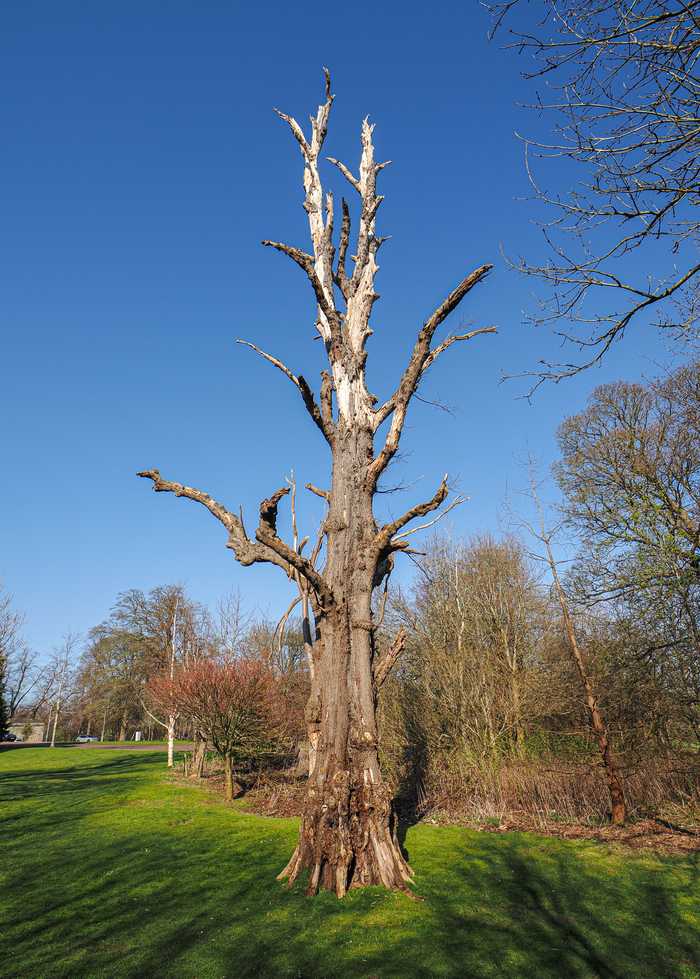
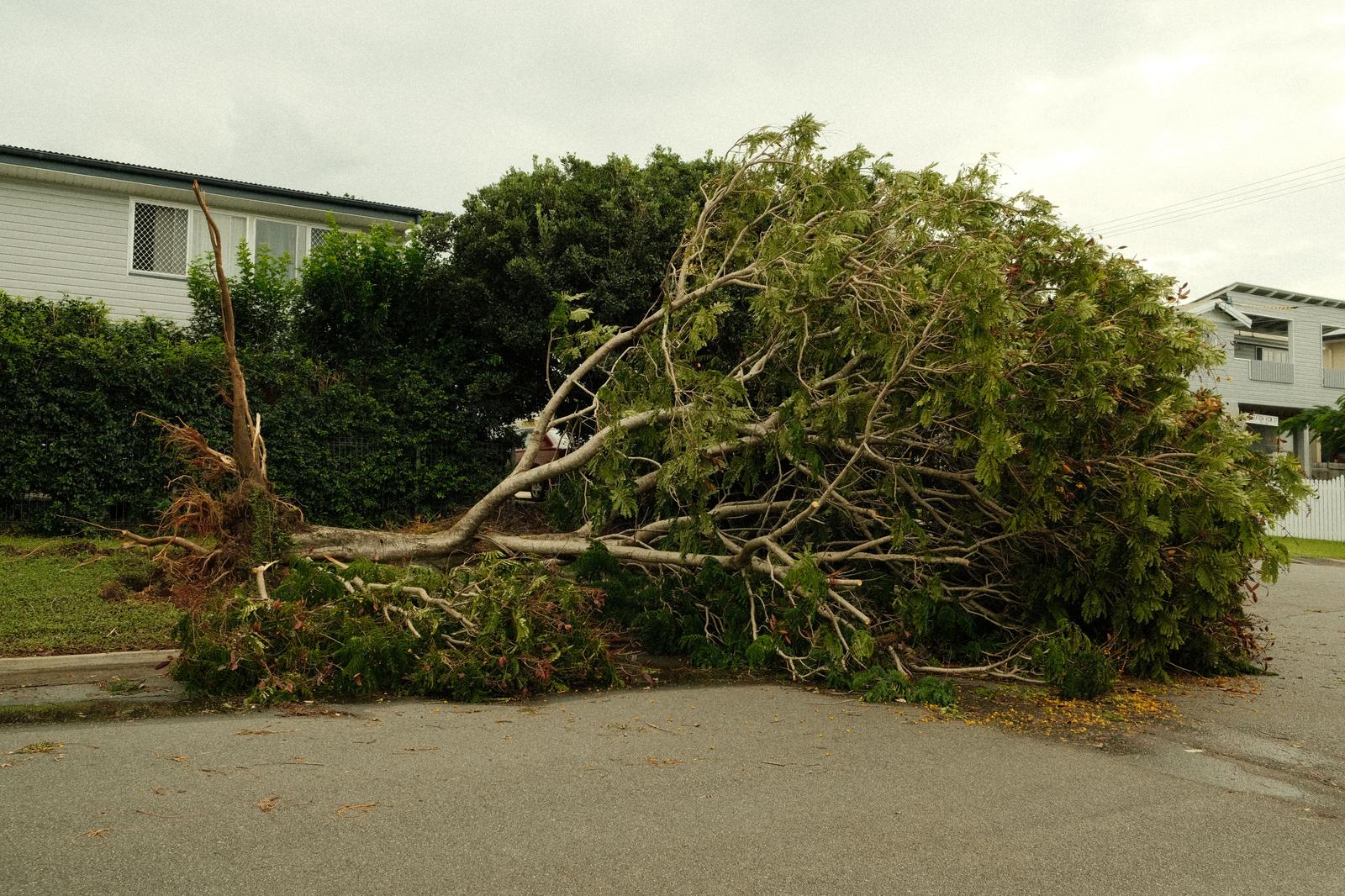
Dead or storm-damaged trees are unpredictable, so they pose a high risk and require extra caution.
Urban and coastal markets run 25% to 35% above the national midpoint. Rural areas are typically cheaper.
Always confirm in writing what's included. These are frequently quoted separately — or quietly omitted.
Almost never bundled. Confirm as a separate line item.
Debris removal includes branches and wood chips, which may be included in your baseline quote.
Required for very large trees or tight sites. Mobilization adds a flat cost on top of base removal, and is used to ensure safety when working in confined spaces.
Same-day storm response carries a steep premium. Never hire door-to-door solicitors after a storm.
ISA-framework pricing in four straightforward steps.
Height, trunk diameter (DBH), and species. These drive the base wood mass cost.
Accessibility, nearby structures, and utility lines. Rigging complexity multiplies labor cost.
Stump grinding, debris hauling, crane rental, or emergency response — all optional.
A localized cost range with full itemized breakdown, adjusted for your ZIP code.
Protect yourself with these five checks — every time.
The International Society of Arboriculture maintains a public database at treesaregood.org. Any qualified arborist can provide their certification number on the spot. If they can't, move on.
Request a certificate of insurance — not a verbal confirmation, an actual certificate. If an uninsured crew member is injured on your property, or if a falling limb crushes your neighbor's fence, you are potentially liable.
Prices between companies vary 30% to 50% on identical jobs. Itemized quotes — not lump-sum totals — let you compare exactly what's included: stump grinding, debris hauling, cleanup, and access equipment.
Workers' comp covers crew injuries that occur on your property. Without it, an injured worker can pursue a claim against your homeowner's insurance or directly against you. Ask for documentation, not a promise.
Many municipalities require removal permits for trees above a certain trunk diameter (DBH). Skipping this step can result in fines or stop-work orders. Budget $50 to $150 for the permit and check with your local building or zoning department before scheduling the job.
After severe weather, unlicensed contractors often go door-to-door offering cheap removal. These crews are frequently uninsured, unlicensed, and prone to leaving incomplete work or hidden damage. Always verify credentials before paying anyone, especially in emergencies.
Common questions about tree removal costs, permits, and hiring.
Average national tree removal cost is $750, with a typical range of $200 to $1,500, depending on size, species, and other add-ons. It may drop to $150 or exceed $6,000 for complex and risky tasks.
Yes, homeowners insurance covers tree removal only if the tree falls due to a natural disaster—such as a storm, wind, or lightning—and damages your property, such as a roof or garage. Insurance does not cover healthy tree removal or preventative cutting.
Tree stump removal typically costs between $100 and $400, depending on the size and location of the stump. Most professional companies charge $2 to $6 per inch of the stump's diameter.
Small tree removal (under 30 feet) typically runs $200 to $500. Species, trunk diameter, and site access determine where you land in that range.
Height and trunk diameter set the baseline. Species, site access, proximity to structures, and add-ons like stump grinding adjust from there. ZIP code applies local labor rates.
Late winter to early spring. Trees are leafless and easier to work with, demand is lower, and many services offer off-season pricing.
Emergency removal runs 40% to 60% more than a scheduled job. Same-day dispatch, after-hours labor, and high-risk site conditions all contribute to the premium.
Yes. The large tree removal cost estimate covers trees over 60 feet. Expect cranes, extended rigging, and higher labor time to be factored in automatically.