Enter your tree's height, canopy spread, species, and ZIP code — get a localized cost range in under 60 seconds. No email required.
Tree trimming costs typically range from $80 to $1,300 depending on tree height, canopy spread, species, and site conditions. Use our professional calculator below to estimate your project cost based on your tree details and ZIP code. Fill in the 3-step form below and get an itemized cost range adjusted for your area.
The tables below show average costs based on tree height and species. Estimate your price before hiring a contractor.
| Small (under 30 ft) | $80 – $450 |
| Medium (30 – 60 ft) | $200 – $875 |
| Large (61 – 80 ft) | $450 – $1,300 |
| Extra-Large (over 80 ft) | $700 – $1,800+ |
| 🌴 Palm (frond trim) | $75 – $500 |
| 🌲 Pine | $150 – $700 |
| 🌳 Cedar | $250 – $900 |
| 🍂 Ash | $150 – $850 |
| 🍁 Maple | $200 – $950 |
| 🌳 Oak | $300 – $1,500+ |
Understanding these factors helps you estimate the cost before hiring an arborist.
Taller trees and wider canopies mean more climbing, more cuts, and more time in the tree than anything else.
Description: Dead, diseased, damaged, or unstable trees may require extra care, safety measures, and labor, increasing the trimming cost.
A light shaping pass costs far less than a heavy crown reduction that removes a quarter or more of the canopy.
Dense hardwoods like oak slow the work, while open-canopy species like pine or palm move faster.
Tree in an Open yard cost less while trees in tight spaces near structures are more expensive to trim.
Urban and coastal markets face higher tree-trimming costs due to strict permitting and regulatory requirements, whereas rural jobs are typically much cheaper.
Many tree trimming quotes only cover the labor to cut branches. Additional services like hauling, stump grinding, and emergency response are often billed separately. Below are typical add-on services and their average costs.
Some basic quotes only cover cutting the branches down. Chipping, hauling away logs, and commercial landfill dump fees usually cost extra.
If a trim job also includes cutting a smaller limb or tree down to the base, grinding the remaining stump below ground level requires a heavy hydraulic grinder and is always billed separately.
If a tree is overhanging a roof or inaccessible to trucks, crews must bring specialized lifts or manually climb and rope down branches, adding to labor costs.
Same-day storm response or after-hours hazards carry a steep premium rate.
Trimming cost in four straightforward steps.
Input the estimated height and specific tree species to establish your base pruning cost.
Specify if the tree is easy to access or restricted by obstacles like power lines and roofs.
Choose your cleanup preference and decide if you want debris removal included in the quote.
Receive a localized cost range with a full itemized breakdown adjusted for your ZIP code.
Key signs and ideal seasons for pruning your trees safely and maintaining property health.
Pruning in late winter while trees are dormant promotes rapid growth in spring, minimizes sap loss, and reduces the risk of pest infestations or fungal infections.
Remove dead, dying, or decaying limbs immediately regardless of season to prevent falling debris, disease spread, and structural property damage.
Trim branches growing within 8 to 10 feet of your roof, siding, or power lines to prevent physical damage, electrical hazards, and roof wear.
If interior branches become overcrowded, thin out the canopy to improve airflow, increase sunlight penetration, and reduce wind resistance during storms.
After heavy wind or ice storms, inspect trees for cracked, hanging, or weakly attached branches that require urgent professional pruning.
Common questions about tree trimming costs, timing, and hiring.
Average national tree trimming cost is $460, with a typical range of $80 to $875, depending on height, canopy size, species, and add-ons. It may drop to $75 or exceed $1,800 for tall, dense, or hard-to-access trees.
No, routine tree trimming and pruning is considered maintenance and is not covered by homeowners insurance. Insurance typically only helps with debris removal after a storm damages your home.
Most mature shade trees benefit from trimming every 3 to 5 years. Young trees often need light shaping every 1 to 2 years, and fruit trees are typically pruned annually during dormancy.
Small tree trimming (under 30 feet) typically runs $80 to $450. Species, canopy spread, and site access determine where you land in that range.
Height and canopy spread set the baseline. Species, trim type, site access, and add-ons like deadwooding or crown thinning adjust from there. ZIP code applies local labor rates.
Late winter, during dormancy, is typically the cheapest and healthiest time to trim most deciduous species. Demand is lower and crews have more availability.
Emergency trimming runs 30% to 50% more than a scheduled job. Same-day dispatch, after-hours labor, and storm-damage risk all contribute to the premium.
Yes. The large tree trimming cost estimate covers trees over 60 feet. Expect aerial lift or bucket truck access and higher labor time to be factored in automatically.
Fresh guides on tree trimming costs, timing, and what to expect before you hire.
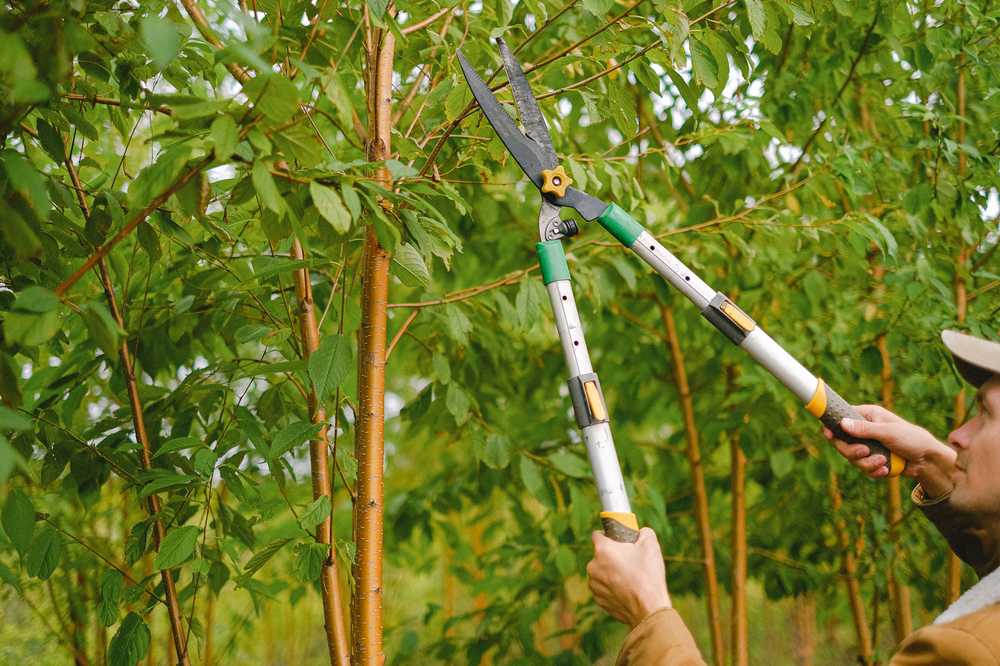
Most routine trimming doesn't need a permit, but protected trees, size thresholds, and local ordinances can change that. See when a permit applies.
Read the guide →Pruning and trimming aren't the same thing. See how they differ in purpose, when each applies, and what drives the cost of each service.
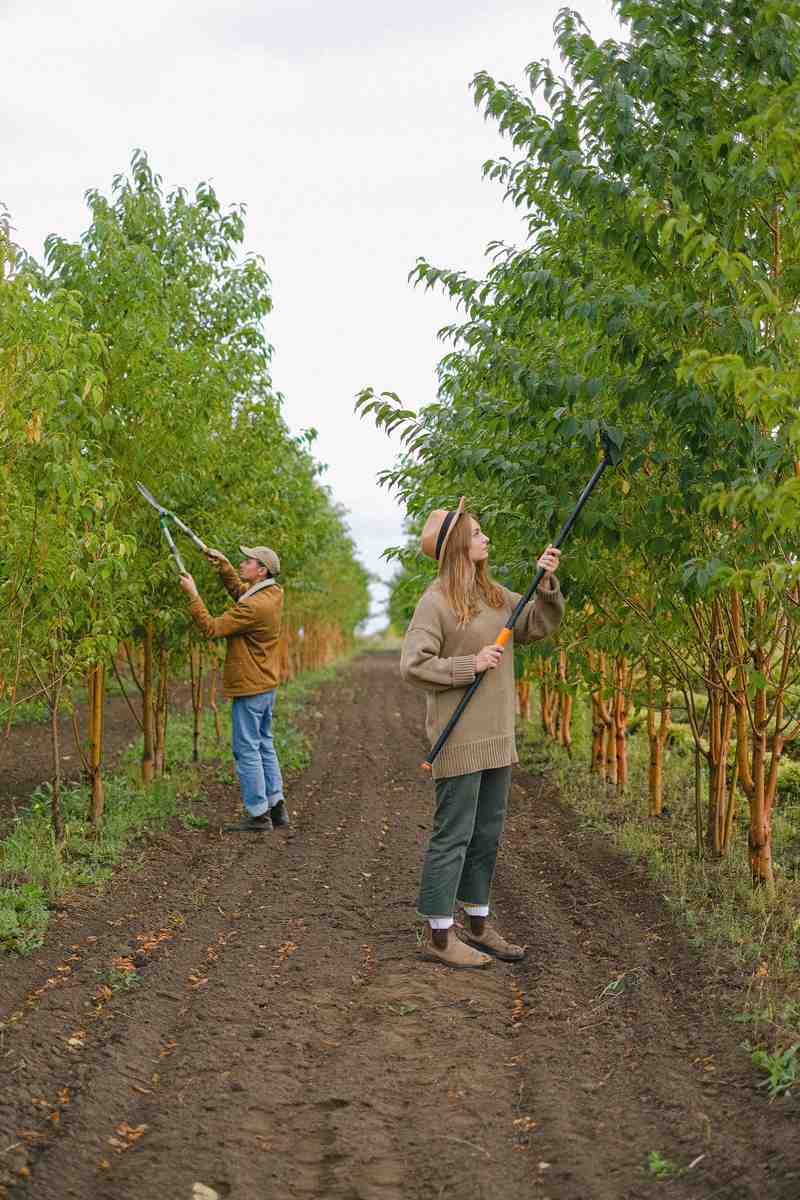
Read the guide →