Pruning is generally about a tree's health, structure, and safety — removing dead, damaged, diseased, or crossing branches. Trimming is generally about appearance and growth control — cutting back overgrowth and shaping the canopy. In practice, many tree companies use the terms loosely, so it's worth confirming what work is actually being done.
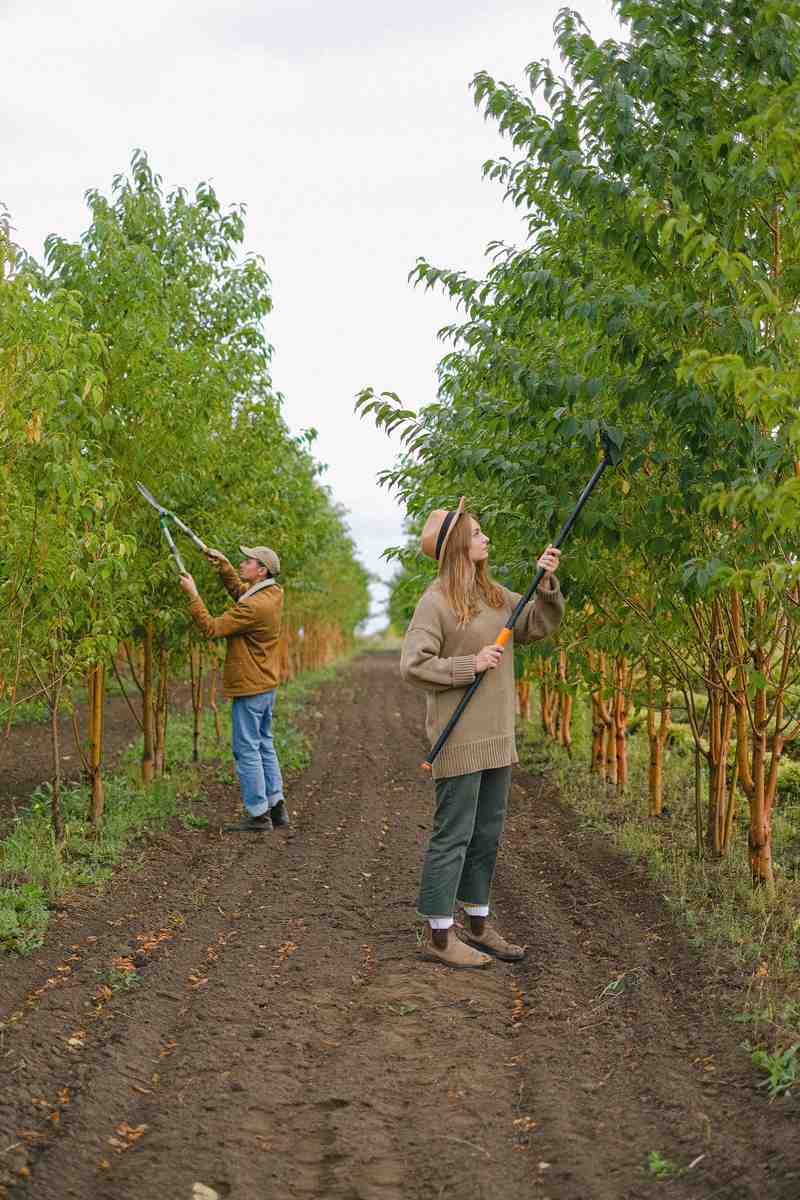
If you've searched for "tree pruning vs trimming," you've probably noticed the two terms get used almost interchangeably. That's understandable — the tools and techniques overlap quite a bit. But the two services generally serve different purposes, and knowing which one applies to your situation can help you talk to a tree service with more confidence.
What's in this guide
What Is Tree Pruning?
Pruning generally means selectively removing specific branches to support the tree's long-term health, structure, and safety. This usually includes cutting out dead, damaged, or diseased wood, along with branches that cross each other or create weak points in the canopy.
The goal isn't to change how the tree looks overall — it's to address problems that could affect the tree's condition or create a safety risk down the road. A young tree might also be pruned to help guide its structure as it grows, so it develops a stronger shape over time.
What Is Tree Trimming?
Trimming is generally more about controlling overgrowth and maintaining appearance. It focuses on cutting back branches that have grown too long, shaping the canopy, and creating clearance around things like rooflines, driveways, and walkways.
Where pruning asks whether a branch is a health or safety issue, trimming is more concerned with whether a branch is in the way or making the tree look unkempt. It's often routine maintenance — done every year or two just to keep growth in check — rather than a response to a specific problem with the tree.
Get a number specific to your project
Use the free calculator to get a localized trimming estimate based on your tree's size and condition.
Calculate My Cost →Tree Pruning vs. Tree Trimming: Key Differences
| Feature | Tree Pruning | Tree Trimming |
|---|---|---|
| Main purpose | Tree health and structure | Appearance and growth control |
| Main focus | Removing problem branches | Managing overgrowth and shape |
| Typical reason | Disease, damage, safety, structure | Overgrowth, clearance, tidiness |
| Branches removed | Dead, diseased, crossing, or weak | Overgrown or excess growth |
| Primary benefit | Improved tree condition | Improved appearance and access |
| Common situation | Storm damage, young tree structure | Branches near a roof or walkway |
In practice, many tree-service companies use "pruning" and "trimming" a bit loosely, and what one company calls trimming, another might call pruning. So it's worth asking what work is actually being done, rather than relying on the label alone.
When Does a Tree Need Pruning or Trimming?
Pruning may be appropriate when:
- Branches are dead or visibly damaged
- Branches show signs of disease
- Branches are crossing or rubbing against each other
- A branch looks structurally weak or unsafe
Trimming may be appropriate when:
- Growth has become overgrown or unruly
- Branches are interfering with a roof, driveway, or walkway
- The tree just needs basic shaping or size management
It's common for a tree to need a bit of both at once — for example, a few dead branches removed while the rest of the canopy gets a routine trim.
🌳 Not sure which one you need? A certified arborist can assess the tree on-site and tell you whether it needs pruning, trimming, or both, before any work starts.
Does Tree Pruning or Trimming Cost More?
There's no single answer, because tree pruning cost and tree trimming cost both depend on the same underlying factors: the tree's size and height, how much work is involved, how accessible the tree is, its condition, whatever equipment is needed, your location, and debris removal.
A simple job removing a few dead branches from a small tree can cost less than an involved trimming job on a large, overgrown one — and the reverse is just as possible. So when it comes to how much does tree trimming cost or how much does tree pruning cost, the honest answer is: it depends on the specific job more than the label.
If you're trying to figure out what your own project might run, our tree trimming cost calculator can give you a starting estimate based on details like your tree's size and condition. It's meant as a helpful starting point rather than a substitute for an in-person quote from a tree service.
Frequently Asked Questions
Is tree pruning the same as tree trimming?
Not exactly. Pruning is generally focused on tree health and structure, while trimming is generally focused on appearance and growth control, though the terms are sometimes used loosely.
Can a tree need both pruning and trimming?
Yes. A tree can have a few dead or damaged branches while also being generally overgrown, so both types of work might happen in the same visit.
Which service removes dead branches?
Removing dead branches is typically considered pruning, since it's tied to the tree's health and safety rather than its appearance.
Should I trim a tree after a storm?
Storm-damaged branches are usually more of a pruning issue, since the priority is removing broken or hazardous wood. It's worth having a professional take a look before doing anything yourself.
How much does tree trimming cost?
It varies based on tree size, accessibility, condition, and other job-specific factors. Our tree trimming cost calculator can give you an estimate based on your own project.
💡 Get an instant, localized estimate. No email required. Try the free calculator →